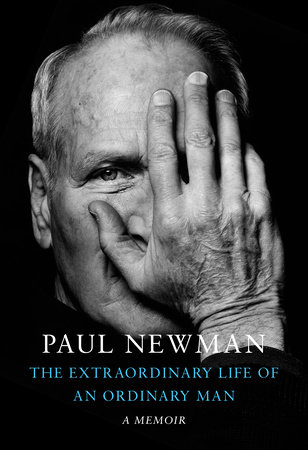
The most beautiful man of the twentieth century spent his life convinced he was a fraud — a lucky mediocrity coasting on a pair of blue eyes — and somehow that is the most disarming thing about him.
The book has a strange and fitting provenance. In the 1980s Newman sat for hundreds of hours of interviews with his friend Stewart Stern, then, in a fit of utterly characteristic self-sabotage, had the tapes destroyed; what survives was reconstructed after his death from the surviving transcripts and braided together with the recollections of the people who knew him. The result is polyphonic — Newman's own unsparing voice interrupted by wives and friends and directors — and the seams only make it feel more honest, like testimony gathered after a funeral.
And he is merciless with himself. He picks apart the curse of his looks, the drinking, the wreckage of his first marriage, the imposter he was certain lived behind the matinee idol's face. He writes about Joanne Woodward with a tenderness that quietly reorganizes the entire book, and about the overdose of his son Scott with a guilt he never once tries to launder into redemption. A movie star taking a crowbar to his own myth, page after page, and refusing to flinch from what he finds underneath.
My last book of May, and the right one to end on — a reminder that the people we are most certain have been handed everything are often the ones working hardest, and most privately, to forgive themselves. I came for the gossip and stayed for the confession.